A wedding supplier contract is the only thing standing between your perfect day and an administrative nightmare. Most couples view these documents as a formality. They are not. They are your primary defense mechanism. When a photographer misses the "first kiss" or a caterer serves the wrong menu, the contract determines if you lose thousands or get justice.
Wedding planning is high-stakes. You are managing dozens of external stakeholders simultaneously. Without a systemic approach to protection, you are vulnerable. At GHW Digital, we believe in Autonomous Digital Assets that serve as active guardians. You need a shield, not just a signature.
Spotting Red Flags in a Wedding Supplier Contract
Vulnerability begins with a "trust-based" agreement. If a vendor says "don't worry, we've got this," but refuses to put the specifics in writing, walk away. Professionalism is measured in precision, not promises.
Watch for these critical red flags before signing:
- Vague Service Descriptions: Beware of phrases like "Photography services for the day." This is an invitation for scope creep and under-delivery. Demand an itemized list including exact hours, number of shooters, and specific deliverables.
- The "Non-Refundable Everything" Clause: While retainers are standard to hold a date, a contract that allows a vendor to keep 100% of your funds regardless of the reason for cancellation: even if they cancel: is predatory.
- Missing Delivery Deadlines: Photos delivered "within a reasonable time" is a recipe for a six-month wait. Every wedding supplier contract must have hard dates for deliverables.
- Unlimited Substitution Rights: Some vendors insert clauses allowing them to send "any qualified professional" in their place. This means the expert you hired could swap themselves for a junior trainee without your consent.

Why Your Wedding Supplier Contract Needs a Failure-to-Perform Clause
A "Standard industry practice suggests" that a robust agreement includes a failure-to-perform clause. This is your insurance policy. If your florist is in a car accident or your DJ gets sick, you need a pre-negotiated protocol for what happens next.
- Lock In Substitutions: Ensure the contract mandates a replacement of equal skill level.
- Automate Refunds: If no replacement can be found, the contract should trigger an immediate, full refund of all monies paid.
- Force Majeure Balance: Ensure "Acts of God" clauses protect you as much as the vendor. If a government lockdown or natural disaster cancels the event, the financial burden should be shared fairly, not dumped entirely on the couple.
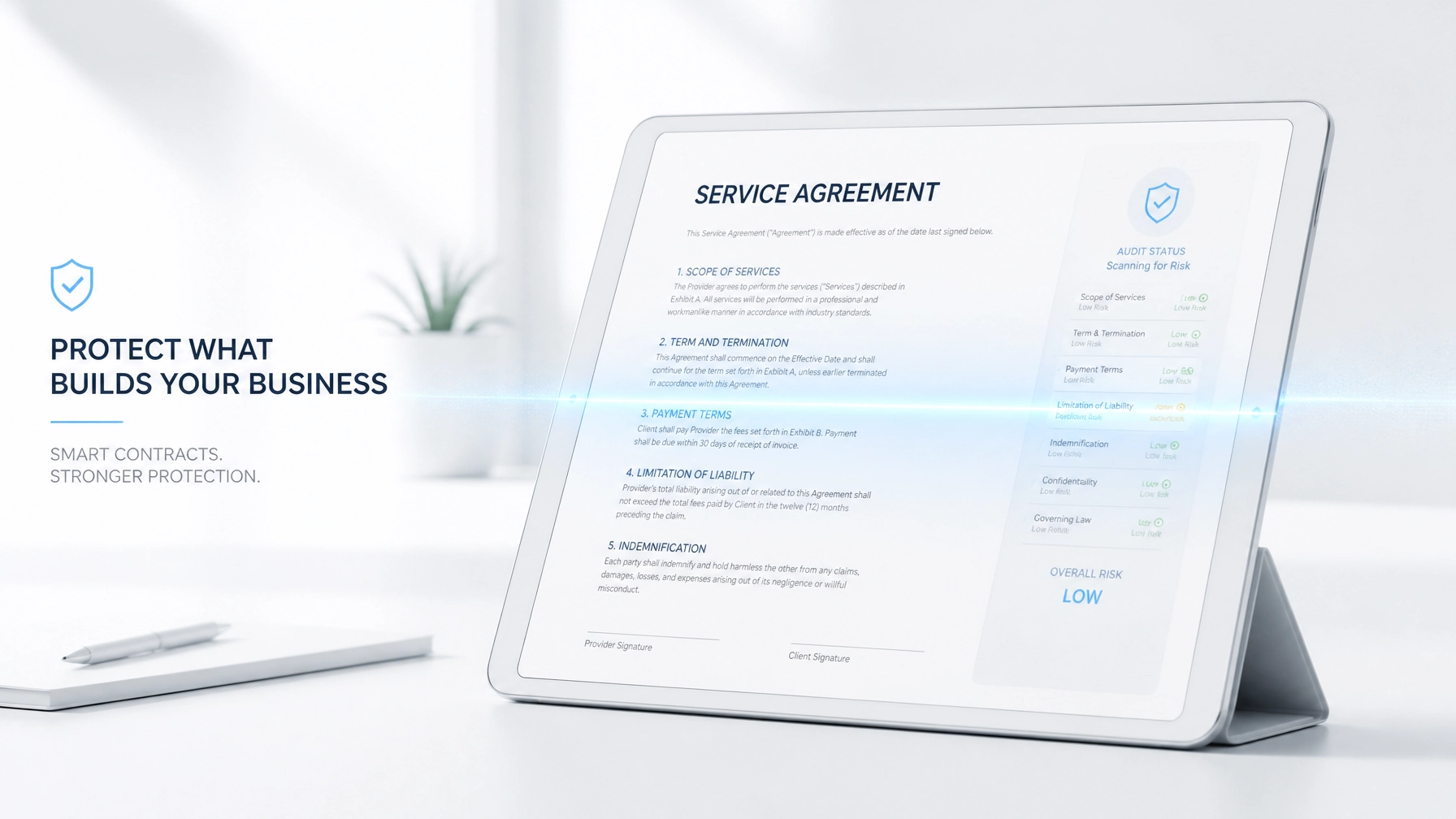
For those who want elite-level protection without the $300/hour legal fees, we developed Vow Shield (Vow Guard Elite). This tool acts as your "Digital Architect," interviewing you about your needs and generating a watertight draft that closes these loopholes instantly. Explore more of our protective asset ideas to see how we are democratizing professional security.
Securing Delivery Through a Wedding Supplier Contract
Protection isn't just about avoiding disaster; it’s about ensuring excellence. A well-engineered contract aligns incentives. When a vendor knows their payment milestones are tied to specific deliverables, their performance improves.
Action-Benefit: Tie Payments to Progress
Do not pay the full balance upfront. Structure your payments so the final 20% is delivered only after the final product (e.g., the edited video or the high-res gallery) is in your hands. This ensures the vendor remains motivated long after the party ends.
Action-Benefit: Define Quality Standards
If you are hiring a caterer, specify the menu. If you are hiring a florist, specify the flower types. Vague terms lead to "leaking revenue" where you pay for premium services but receive budget alternatives.

The Protocol for Disputes
When a breach occurs, emotion is your enemy. Systemic resolution is your ally. If a vendor fails to meet the terms of your wedding supplier contract, follow this protocol:
- Document Everything: Keep a log of missed deadlines or subpar services.
- Reference the Shield: Point directly to the clause in your contract that has been breached.
- Issue a Formal Notice: State clearly what the failure was and what remedy (refund or correction) you require based on the agreement.
For more insights on how to build a library of Autonomous Digital Assets for your personal and professional life, stay connected with our latest developments. You can also research standard consumer rights via Citizens Advice or professional planning guides at Hitched.

Stop Being Vulnerable
Your wedding is an investment of time, emotion, and significant capital. Treating your vendor relationships with a casual handshake is a strategic failure. You wouldn't launch a business without a contract; don't launch a marriage without one either.
Lock in your protection. Track your deliverables. Calculate your risks. Use tools like Vow Shield to ensure your big day is guarded by the same elite standards used in high-level corporate environments.
Stop hoping for the best. Secure it.
Explore our Digital Assets and secure your future today.
Powered by GHW Digital (Company No: 16834250). This document is an automated draft for business organization purposes only. It does not constitute legal advice. GHW Digital accepts no liability for disputes, financial loss, or enforceability. Users must consult a qualified professional in their jurisdiction before signing.