Author: gohugtheworld

  • Wedding Supplier Contracts: Crucial Red Flags to Protect Your Big Day Elite

    Wedding Supplier Contracts: Crucial Red Flags to Protect Your Big Day Elite

    7 Red Flags in Your Wedding Vendor Agreement (And How to Secure Your Big Day)

    Wedding supplier contracts are the only thing standing between your dream celebration and a logistical nightmare. When you are planning a wedding, the emotional stakes are sky-high, which makes it easy to skim past the fine print. However, in the world of high-end events, a contract isn't just a formality, it is your primary defense mechanism. At GHW-Digital, we believe in precision and accountability. Whether we are building enterprise-grade software or helping you navigate the complexities of event agreements, the goal remains the same: protecting your interests.

    If you are currently vetting vendors, you need to look past the beautiful portfolios and Instagram feeds. You need to look at the legal framework of the deal. If you want more insights on how to manage high-stakes projects, check out our resource ideas.

    1. Eliminate Vague Deliverables: The Specificity Trap

    Wedding supplier contracts often fail because they are built on "good vibes" rather than hard data. A red flag is any agreement that uses broad, sweeping terms like "Photography Services" or "Full Floral Package."

    In the tech world, we call this a lack of scope. If a vendor cannot define exactly what they are delivering, they are leaving the door open for disappointment. Your contract should specify:

    • Exact Hours: Not "the whole day," but "from 10:00 AM to 11:00 PM."
    • Staffing Numbers: How many photographers? How many servers?
    • Deliverable Format: Are you getting 400 high-res digital images or a physical album?
    • Materials: What types of flowers? What size is the cake?

    Vagueness is the enemy of execution. Without these details, you have no recourse when the "full package" turns out to be half-hearted.

    Professional pen on detailed wedding supplier contracts ensuring clear project scope and deliverables.

    2. Guard Your Budget: The Hidden Fee Hazard

    Moving goalposts kill margins and destroy wedding budgets. A major red flag in wedding supplier contracts is ambiguous pricing. If you see phrases like "plus expenses" or "additional fees may apply" without a capped limit or an itemized list, you are signing a blank check.

    Standard industry practice for reputable vendors involves a clear, line-item breakdown. You should know the cost of delivery, setup, taxes, and gratuity before you put down a deposit. If a vendor becomes defensive when you ask for a final, all-in price, they are likely hiding costs that will surface two weeks before the wedding.

    To stay ahead of your planning, keep an eye on our latest strategy ideas for managing complex budgets.

    3. Secure Your Deposit: The Non-Refundable Nightmare

    While deposits are standard to secure a date, a 100% non-refundable deposit with no sliding scale is a predatory practice. A fair contract recognizes that life happens.

    Look for a tiered refund policy. For example, if you cancel 12 months out, you might lose 25%. If you cancel 30 days out, losing 100% is more reasonable as the vendor cannot rebook the date. If the contract offers no path to recovery for the couple, it isn't a partnership; it’s a hostage situation.

    Furthermore, ensure the contract specifies what happens if the vendor cancels on you. If they can’t make it, you shouldn’t just get your money back, you should have a guaranteed backup plan or a penalty clause for the vendor to cover the cost of a last-minute replacement.

    4. Protect Your Peace: The Liability Gap

    Reputable wedding supplier contracts must include liability insurance provisions. If a vendor tells you "don't worry about it" or disclaims all liability for damages they might cause, walk away.

    Think of this as the "Scope Guard" for your wedding. If a caterer’s oven sparks a fire at your venue, you need to know their insurance is covering the damage, not your personal savings. Always request a Certificate of Insurance (COI). If they can't provide one, they aren't a professional; they are a hobbyist with an expensive camera or a kitchen.

    A blue shield representing liability protection and security within wedding vendor agreements.

    5. Identify Evasive Communication: The Pre-Signing Warning

    Communication is a leading indicator of performance. If a vendor takes four days to reply to an email when they are trying to win your business, imagine how long they will take once they have your money.

    Red flags include:

    • Avoiding direct answers to contract questions.
    • Refusing to hop on a quick call to clarify terms.
    • Lack of a professional email address or digital presence.

    At GHW-Digital, we treat communication as a core feature, not a bug. We suggest you apply that same standard to your wedding team. For more on professional alignment, visit our ideas page.

    6. Demand Contingency Plans: The Force Majeure Clause

    "Act of God" clauses (Force Majeure) became a hot topic during the pandemic. A red flag in wedding supplier contracts is a clause that is heavily weighted in favor of the vendor. If an unforeseen event happens, the contract should outline clear options for rescheduling or partial refunds.

    You need to know the "What If":

    • What if the lead singer loses their voice?
    • What if the florist's shipment is stuck at the border?
    • What if the venue is flooded?

    A professional vendor has a network of peers they can call on. A red-flag vendor has excuses. Ensure your contract mandates a qualified replacement if the primary service provider is unavailable.

    7. Lock in Verbal Promises: The Agreement of Silence

    If it isn't written down, it doesn't exist. This is the golden rule of any project, from app development to wedding planning. Vendors often make grand promises during the sales pitch: "Oh, we can definitely add extra lighting for free" or "I'll stay as late as you need."

    If those promises don't make it into the final version of the wedding supplier contracts, they are legally worthless. Do not rely on "we talked about this on the phone." Every verbal agreement must be followed by an amendment or an initialed note on the contract.

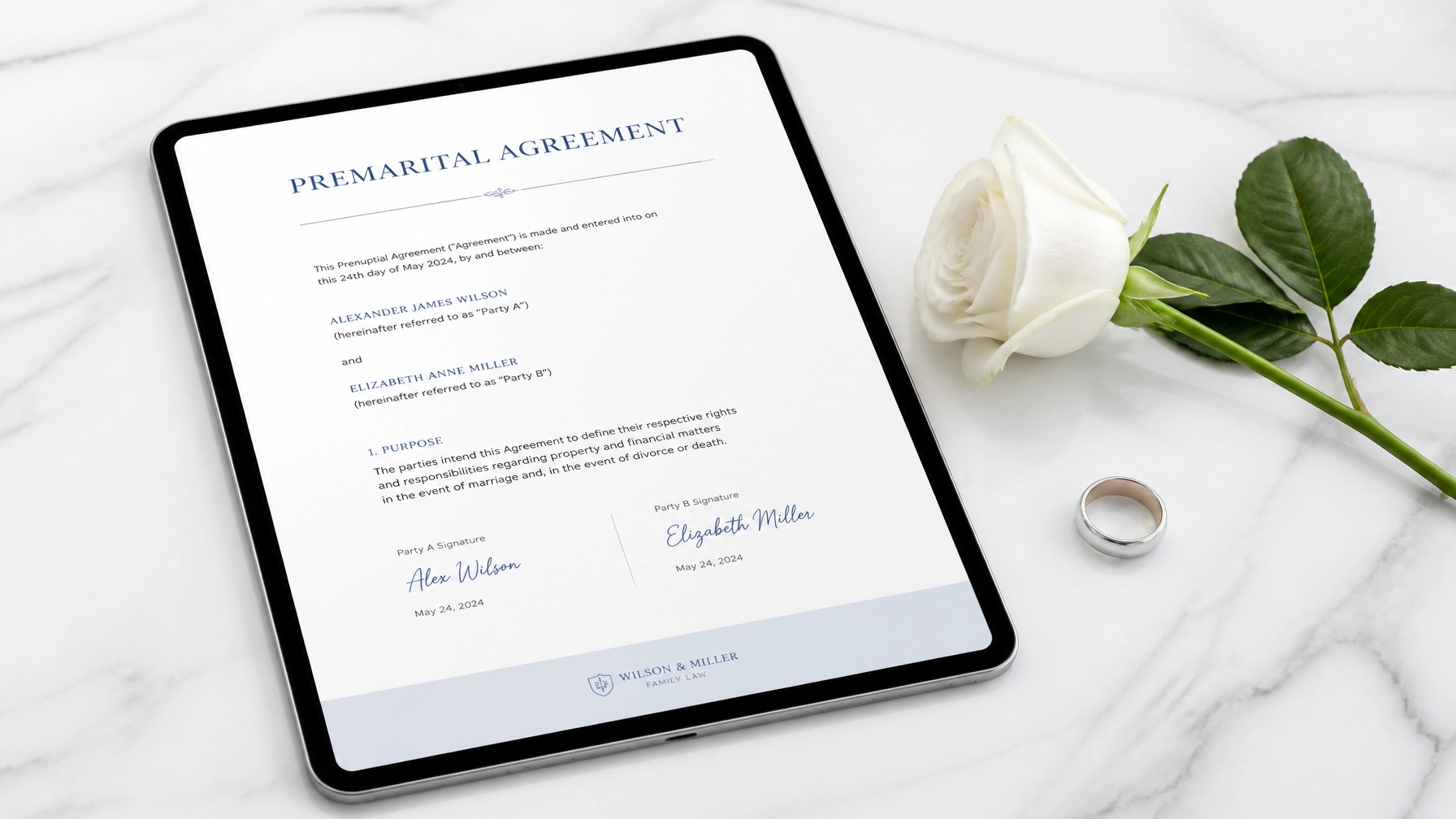
    A digital tablet for signing wedding supplier contracts with professional and legally binding terms.

    Securing Your Big Day with Vow Shield

    The complexity of these agreements is why we developed Vow Shield. Just as we use Scope Guard Elite and Scope Sentry to protect our technical projects, we believe couples need a digital guardian for their wedding contracts.

    Vow Shield is designed to scan, track, and secure your vendor agreements, ensuring that every promise is documented and every red flag is flagged before you sign. It’s about moving from a position of hope to a position of power.

    We apply the same rigor to vow-guard-elite.html as we do to our most complex enterprise apps. Because at the end of the day, a wedding is a high-stakes production that requires professional-grade management.

    Final Tactics for Success

    Before you sign on the dotted line, take these three final steps:

    1. Compare Contracts: Don't just look at the price. Compare the "What If" clauses of three different vendors.
    2. Check References: Go beyond the website testimonials. Ask for the contact info of a couple who had a "difficult" situation with the vendor to see how it was handled.
    3. Consult the Experts: If a contract feels off, it usually is. Don't be afraid to have a professional eye look it over.

    Protecting your wedding is about more than just flowers and music; it's about securing your financial and emotional well-being. Stop the cycle of "hope-based" planning and start using professional-grade tactics.

    For more strategic insights on securing your projects and your future, explore our full library at https://ghw-digital.com/ideas.html.


    Marblism Legal Shield

    This blog post is for informational purposes only and does not constitute legal advice. Wedding vendor laws vary by jurisdiction. Always consult with a qualified legal professional before signing binding agreements. GHW-Digital and its affiliates are not liable for any losses incurred through the use of third-party vendor services.

    Data Privacy Notice: We value your privacy. Any data shared with GHW-Digital is handled in strict accordance with our Privacy Policy. We do not sell your data to third-party wedding registries or marketing firms. Our goal is protection, not exploitation.

  • Wedding service agreement: The Essential Urgent Mechanism

    Wedding service agreement: The Essential Urgent Mechanism

    Wedding service agreement protocols are the primary defensive line between a successful celebration and a logistical catastrophe. In the high-stakes environment of event planning, ambiguity is the enemy. Without a rigid, legally sound wedding service agreement, couples expose themselves to significant financial leakage and operational failure. At GHW-Digital, we view these documents not as mere paperwork, but as the architectural blueprint for your peace of mind.

    The reality of the wedding industry is that "moving goalposts" are a standard risk. Vendors may overpromise during the emotional high of a consultation, only to under-deliver when the tactical execution begins. Vow Shield was engineered to solve this exact problem, acting as an elite protection mechanism that scans your contracts for hidden vulnerabilities. Protecting your assets starts with understanding the anatomy of a professional agreement.

    The Strategic Framework of Service Deliverables

    Precision is the only metric that matters when defining what a vendor will provide. A vague wedding service agreement is a liability. If a contract simply states "photography services," you have no recourse when the professional arrives without a backup shooter or fails to deliver edited files within a reasonable timeframe.

    To secure your event, the agreement must detail every specific output. For a catering protocol, this means documenting the exact number of staff, the precise menu items, and the service duration. For technical vendors, it requires a breakdown of equipment, setup times, and "strike" (cleanup) procedures. By locking in these details, you transform a passive document into an active defensive shield.

    A professional wedding service agreement document on a glass desk, symbolizing elite contractual protection.
    Alt text: A professional wedding service agreement resting on a glass desk, symbolizing elite contractual protection.

    Financial Security Through Structured Payment Protocols

    Capital management is a critical component of event defense. A professional wedding service agreement must include a transparent payment mechanism that prevents unauthorized cost escalations. We advocate for a tiered payment structure that aligns financial outlay with vendor performance.

    1. The Booking Retainer: This is your commitment to the protocol, typically a non-refundable percentage that secures the date.
    2. Interim Milestones: These payments should be tied to specific dates or planning phases, ensuring the vendor remains incentivized throughout the process.
    3. The Final Balance: This must be settled prior to the event, but never so early that you lose leverage.

    By defining these boundaries, you protect your budget from the "creep" of hidden fees and administrative surcharges. Vow Shield identifies these financial triggers, alerting you to any clauses that allow vendors to unilaterally increase prices after the ink has dried.

    The Force Majeure Override

    Unforeseen variables, weather, illness, or global disruptions, can compromise even the most meticulously planned event. The Force Majeure clause is the "kill switch" for your liability. In an urgent situation, this clause determines who bears the financial burden of a cancellation or postponement.

    A robust wedding service agreement must specify exactly what constitutes an "Act of God" or an emergency. It should outline the immediate protocols for rescheduling, the distribution of retained funds, and the timeline for notification. Without this mechanism, you are essentially self-insuring against a catastrophe, a risk no elite architect would ever accept.

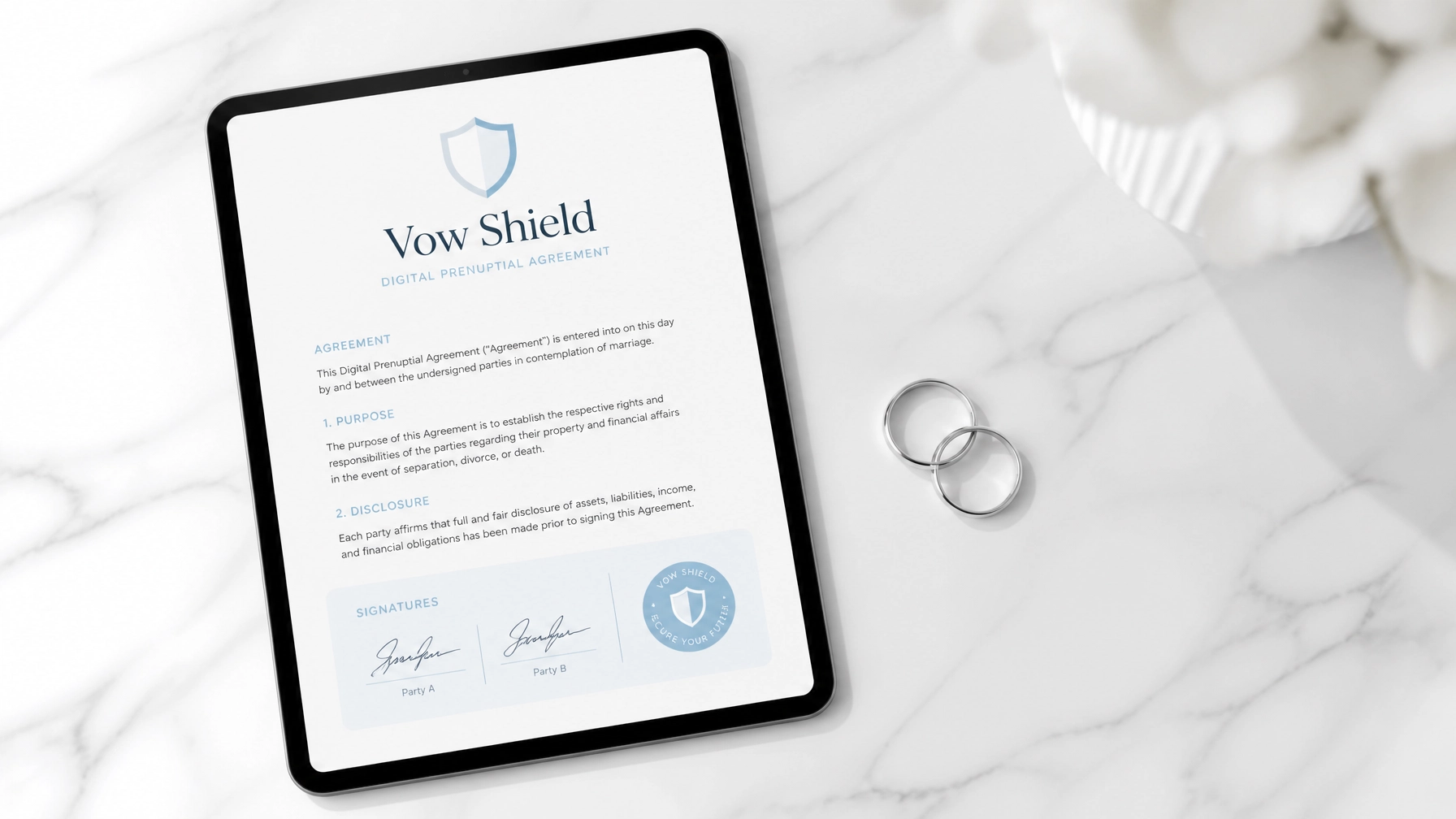
    Vow Shield interface highlighting critical Force Majeure clauses within a digital wedding service agreement.
    Alt text: A digital interface of Vow Shield highlighting a Force Majeure clause in a wedding service agreement.

    Liability and Contingency Defense

    In any complex operation, failure is a statistical possibility. Your wedding service agreement must account for equipment failure, illness of key personnel, or accidental damage. You are not just buying a service; you are buying a guarantee of execution.

    The agreement must verify that the vendor carries professional liability insurance. This protects the venue, the guests, and your personal assets from the fallout of an on-site incident. Furthermore, the contract should dictate a "Backup Plan Protocol." If your lead photographer is incapacitated, who is the vetted replacement? If the floral shipment is delayed, what is the alternative? Vow Shield scans for these contingency gaps, ensuring you aren't left defenseless on the day of the merger.

    Why Vow Shield is the Ultimate Defensive Mechanism

    The traditional method of reviewing contracts is flawed. Human emotion and lack of legal expertise often lead to "blind spots" that vendors can exploit. Vow Shield utilizes advanced logic to assess your wedding service agreement against a database of industry standards and legal requirements.

    We don't believe in "best guesses." We believe in data-driven security. By uploading your vendor contracts to Vow Shield, you receive a high-impact risk assessment that flags dangerous clauses in real-time. Whether it’s an unfair cancellation policy or an ambiguous service scope, our technology ensures you have the information necessary to negotiate from a position of power.

    Scanning a wedding service agreement with a smartphone to identify risks and negotiate from a position of power.
    Alt text: A person using a smartphone to scan a wedding service agreement for hidden risks using Vow Shield.

    Terminating the Risk of Scope Creep

    While Vow Shield protects the matrimonial side of your life, the principles of contract defense apply to all business interactions. Much like the "moving goalposts" in a wedding, project scope in software development can leak revenue if not managed with precision. This is why we developed Scope Sentry, a mechanism designed to track and price changes in real-time, ensuring that every shift in requirements is met with a corresponding shift in compensation.

    Protecting your time and profit requires a relentless commitment to boundaries. Whether you are signing a wedding service agreement for your upcoming nuptials or managing a complex software build, the protocol remains the same: define the scope, lock in the price, and prepare for the unexpected.

    The Protocol for Absolute Peerless Defense

    As you navigate the complexities of wedding planning, remember that every vendor is a third-party risk. Your goal is to mitigate that risk through superior documentation. A comprehensive wedding service agreement is not a sign of distrust; it is a sign of professional alignment. It ensures that both parties understand the mission and the consequences of failure.

    Do not leave your most important day to chance. Utilize the tools available at GHW-Digital to secure your contracts and defend your assets. In the world of elite event planning, the only way to win is to ensure you are protected by the best mechanisms available.

    For more information on how to defend your projects and agreements, explore our sitemap or review our privacy protocols to understand how we protect your data with the same level of intensity we apply to your contracts.

    Action Required: Lock in launch savings. Use discount code BLOG20 for twenty percent off our upcoming Vow Shield tool. Valid until April 1, 2026.


    Mandatory Footer & Ethical Disclosure

    Data Integrity & Privacy Commitment: At GHW-Digital, we operate with blunt honesty. Your uploaded documents and contract data are processed through secure, encrypted channels. We do not sell your personal data to third-party marketing firms. Our business model is built on providing elite software defense mechanisms, not on the monetization of your private information. We believe in absolute transparency and the ethical application of AI technology. For a detailed breakdown of our security measures, please visit our Privacy Policy.

    Legal Disclaimer: Vow Shield and Scope Sentry are administrative tools designed to assist in the review and management of agreements. They do not constitute legal advice. While our algorithms are trained on high-level legal standards, we recommend consulting with a qualified legal professional for final contract approval. GHW-Digital assumes no liability for the ultimate performance or breach of third-party vendor contracts.

    Internal Reference Links:

    External Intelligence Resources:

    Powered by GHW Digital (Company No: 16834250). This document is an automated draft for business organization purposes only. It does not constitute legal advice. GHW Digital accepts no liability for disputes, financial loss, or enforceability. Users must consult a qualified professional in their jurisdiction before signing.

  • 7 Mistakes You’re Making with Scope Creep Management (and How to Fix Them)

    7 Mistakes You’re Making with Scope Creep Management (and How to Fix Them)

    Scope creep management is the difference between a profitable launch and a slow, agonizing project death. In the world of app development, boundaries aren't just suggestions; they are the structural beams holding your business together. When those beams fail, the roof caves in on your margins, your timeline, and your sanity.

    I’m Martin Hughes, and at GHW-Digital, we see it daily. Brilliant developers and digital architects lose thousands because they treat "small favors" as harmless. They aren't harmless. They are leaks. If you don't plug them, you sink.

    Effective scope creep management requires more than just saying "no." It requires a system. It requires a shield. Whether you are browsing for new project ideas or middle-deep in a complex build, you need to recognize where you are failing to hold the line.


    1. Vague Definitions: The Architect’s Greatest Sin

    The most common failure in scope creep management happens before the first line of code is ever written. If your project scope is "fuzzy," you’ve already lost. A vague scope is an open invitation for a client to move the goalposts.

    The Mistake: Using broad terms like "user-friendly interface" or "standard integration." To a client, "standard" might include features that take you forty hours to build. Without specific deliverables, you have no baseline to defend.

    The Fix: Build a "Digital Fortress" around your requirements. Every objective must be a SMART goal: Specific, Measurable, Attainable, Relevant, and Time-bound. If it isn't documented with granular detail, it doesn't exist. Before you start your next project, check out our latest app development ideas to see how we structure high-level requirements into actionable tasks.

    Minimalist grid structure illustrating clear project scope and defined requirements for developers.

    2. Neglecting Independent Contractor Agreements

    Your contract is your primary defense mechanism. If your Independent Contractor Agreements are weak, your scope creep management will be non-existent. Many freelancers rely on "handshake" emails, but when the budget runs dry, those emails won't protect your revenue.

    The Mistake: Viewing the contract as a formality rather than a functional tool. A weak agreement fails to define what happens when the scope changes. It leaves the financial burden of "extra work" on the contractor.

    The Fix: Weaponize your paperwork. Ensure your Independent Contractor Agreements specifically outline the "Change Order" process. This creates a legal and psychological barrier. When a client asks for a "quick addition," you point to the agreement. It isn't personal; it's the architecture of the deal. At GHW-Digital, we recommend tools like Vow Guard Elite to ensure your professional promises are backed by ironclad logic.

    3. The Absence of a Formal Change Control Process

    In scope creep management, "verbal approval" is a myth. If a change isn't tracked, evaluated, and signed off, it is a leak.

    The Mistake: Implementing "small" changes on the fly. You think you’re being helpful. You think you’re building "goodwill." What you’re actually doing is teaching the client that your time has no value. Unstructured changes bypass budget evaluations and resource planning.

    The Fix: Establish a hard gate. Every request for a modification must go through a formal review. Evaluate how the change impacts the timeline, the tech stack, and the total cost. Use a system like Scope Guard Elite to lock in these boundaries. Never touch the keyboard until the impact is documented and the price is adjusted. This keeps the project aligned with the original blueprint.

    4. Failing to Manage Stakeholder Expectations

    You are the expert. The client is paying for your vision and your execution. If you don't lead the conversation, they will.

    The Mistake: Staying silent until a problem occurs. If you aren't communicating the status of the scope regularly, the client assumes everything is "included." Communication gaps are where scope creep breeds.

    The Fix: High-frequency, low-friction reporting. Provide updates that explicitly reference the original scope baseline. Remind stakeholders what is currently being built and what is "out of scope" for the current phase. This isn't about being difficult; it's about transparency. By maintaining this professional distance, you protect the integrity of the app.

    Connected spheres representing stakeholder alignment and transparency in scope creep management.

    5. Rushing the Discovery and Planning Phase

    Speed is often the enemy of precision. In the rush to start a project, many skip the deep-dive planning required for effective scope creep management.

    The Mistake: Jumping straight into development without a Work Breakdown Structure (WBS). Without a visual map of every deliverable and sub-task, you cannot see the gaps. According to the Project Management Institute, a well-defined WBS is the foundation of project success.

    The Fix: Invest in the "Discovery" phase. Spend the time to break the project down into its smallest components. If you can’t visualize the task, you can’t price it. Use this time to align the project with proven app development strategies. This upfront investment prevents reactive measures later in the lifecycle.

    6. Lacking Real-Time Scope Monitoring

    You cannot manage what you do not measure. Many developers realize they are over-budget only when the project is 90% "done" but 50% over the original hours.

    The Mistake: Treating the scope as a static document that sits in a folder. Scope creep is often a cumulative effect of dozens of tiny deviations. If you aren't tracking your progress against the baseline daily, you are flying blind.

    The Fix: Implement active surveillance. Use monitoring tools to track KPIs and team progress. Systems like Scope Sentry are designed to provide that "Digital Architect" oversight. When the data shows you are drifting from the baseline, you can course-correct before the profit margin disappears. For more insights on how to stay on track, visit our main dashboard.

    Detailed digital blocks showing a Work Breakdown Structure for effective project planning.

    7. Underestimating the "Small" Change Request

    "It's just a button." "Can we just move this logo?" "It's a five-minute fix." These are the most dangerous words in development.

    The Mistake: Believing that individual small changes don't require scope creep management. Ten "five-minute" fixes is nearly an hour of work. Across a month, that's a full day of unpaid labor. Cumulatively, these requests derail timelines and introduce bugs into otherwise stable environments.

    The Fix: Apply the "Zero-Tolerance" policy. Every change, no matter how small, must be recorded. If you choose to do it for free as a gesture of goodwill, document it as a "100% discount" on an invoice. Show the client the value they are receiving. This maintains the "fairness" and "respect" balance required for a long-term partnership. Check our latest insights for more ways to value your expertise.


    Protecting the Digital Architect

    Your work as an independent contractor or agency owner is valuable. You are building the infrastructure of the future. Every time you allow scope creep to go unmanaged, you are devaluing the entire industry.

    Effective scope creep management is not about being "mean" to clients. It is about being professional. It is about ensuring that the project you promised is the project you deliver: on time and on budget.

    By reinforcing your Independent Contractor Agreements and utilizing professional-grade tools to monitor your boundaries, you transform from a "coder for hire" into a "Digital Architect." You move from reactive chaos to proactive control.

    Stop letting your margins leak. Lock in your scope. Protect your time. Secure your future.

    A glowing digital shield protecting project margins and scope creep management boundaries.


    Marblism Legal Shield
    The information provided on this blog does not, and is not intended to, constitute legal advice; instead, all information, content, and materials available on this site are for general informational purposes only. Information on this website may not constitute the most up-to-date legal or other information. Readers of this website should contact their attorney to obtain advice with respect to any particular legal matter. GHW-Digital and Marblism prioritize data integrity and ethical boundary setting. No marketing "tricks": just straight talk.

    Stop the bleed. Secure your next project with GHW-Digital.

  • 7 Mistakes You’re Making with Scope Creep Prevention (And Why Systems Outperform Humans)

    7 Mistakes You’re Making with Scope Creep Prevention (And Why Systems Outperform Humans)

    Scope Creep Prevention is the difference between a profitable app launch and a budget-draining disaster. In the world of high-stakes app development at GHW-Digital, we see it every day: a project starts with a clear vision and ends as a bloated, unrecognizable shadow of its former self. Why? Because most businesses rely on human intuition and expensive consultants to manage boundaries. They fail to realize that humans are biologically wired to please, to compromise, and to overlook "small" changes that aggregate into massive losses.

    When you manage Professional Service Contracts, you aren't just managing code; you are managing expectations, legal obligations, and profit margins. If you aren't using elite software tools to enforce these boundaries, you are leaking revenue. Systems don't get tired. Systems don't feel "guilty" about charging for an extra feature. Systems outperform humans because they are binary, relentless, and objective.

    To protect your business, you must stop making these seven critical mistakes and start leveraging the power of automated systems.

    1. Using Vague Language in Professional Service Contracts

    The first mistake happens before the first line of code is ever written. Most contracts are written in "legalese" that provides a false sense of security but lacks technical precision. If your contract says "the developer will build a user-friendly interface," you have already lost. "User-friendly" is subjective; a system-driven scope is objective.

    Elite software tools now allow you to bake technical requirements directly into the legal framework. Instead of a 40-page document gathering dust, you need a living contract. Digital app blueprint on a tablet over legal contracts for scope creep prevention. This is where tools like Scope Guard Elite come into play. They ensure that every deliverable is mapped to a specific data point, making it impossible for "feature drift" to occur without a formal trigger.

    2. Relying on "Consultant Instinct" Instead of Hard Data

    For decades, companies have paid thousands to high-priced consultants to "oversee" project health. These consultants rely on weekly meetings, gut feelings, and manual reports. This is an archaic approach. A consultant might miss a 5% increase in task complexity because they like the client or want to avoid a difficult conversation.

    Systems, however, track velocity and resource allocation in real-time. By utilizing the GHW-Digital Ideas pipeline, you can see exactly how a new suggestion impacts the overall architecture before it’s even approved. Data doesn't have an ego. It shows you the path of least resistance to a successful launch.

    3. Treating "Small Favors" as Zero-Cost Items

    The most dangerous words in app development are: "Could you just quickly add this button?"

    Humans tend to say yes to small favors to maintain "goodwill." But in Scope Creep Prevention, there is no such thing as a small favor. Every "quick" change requires testing, QA, deployment, and maintenance. When you allow humans to manage these requests, you lose 10 minutes here and 2 hours there. Over a six-month project, this adds up to weeks of unpaid labor.

    Systems like Scope Sentry act as a firewall. They require every change, no matter how small, to be logged against the original budget. This forces the stakeholder to realize that every "favor" has a price tag, preserving the integrity of the project.

    4. Failing to Filter New Concepts Through a Central Hub

    Innovation is great, but unmanaged innovation is a project killer. Many teams make the mistake of discussing new features in Slack channels, emails, or Zoom calls without a central source of truth. This creates "ghost scope", work that is being done but isn't officially recognized.

    You must funnel every single iteration through a dedicated portal. We recommend our clients heavily utilize the GHW-Digital Ideas page to document and vet every concept. This ensures that the "Idea to Execution" flow is strictly monitored. If an idea isn't in the system, it doesn't exist for the dev team.

    Funneling app development ideas into a streamlined system to prevent scope creep.

    5. The "Yes-Man" Syndrome in Project Management

    Project managers are often incentivized to keep clients happy. This leads to the "Yes-Man" syndrome, where scope is expanded simply to avoid friction. While human rapport is important for business, it is a liability for scope control.

    An elite system doesn't care about being "liked." It only cares about the Professional Service Contract. By using Vow Guard Elite, you remove the emotional burden from your team. The system provides the "no," backed by the logic of the initial agreement. This keeps relationships professional and margins healthy.

    6. Manual Tracking in Spreadsheets

    If you are still using Excel or Google Sheets to track project milestones, you are inviting human error. Manual data entry is prone to typos, outdated versions, and accidental deletions. More importantly, it is reactive. You only see the scope creep after it has happened.

    Proactive Scope Creep Prevention requires automated alerts. According to the Project Management Institute, projects with automated tracking are significantly more likely to finish on budget. Our systems at GHW-Digital integrate directly into the development workflow, flagging potential overages before they hit the ledger.

    7. Neglecting the "Idea-to-Scope" Transformation

    Many businesses fail because they don't know how to turn a vague idea into a hard requirement. They jump from a brainstorm session straight into coding. This lack of a "buffer zone" is where scope creep thrives.

    You need a system that forces an idea to be "scoped" before it is "tasked." You can explore how we handle this transformation at ghw-digital.com/ideas.html. By putting ideas through a rigorous vetting process, you filter out the "noise" and only develop features that add real value to the end product.

    A modern filter vetting app ideas into structured project requirements to stop scope creep.

    Why Systems Outperform Humans: The Cold Hard Truth

    Humans are prone to "Optimism Bias." We believe we can get more done than we actually can. We believe the client will be satisfied with just "one more thing." Systems do not suffer from these delusions.

    Precision vs. Perception

    A human perceives a project as "going well." A system sees that 82% of the budget is spent while only 60% of the milestones are reached. Systems offer a level of precision that even the most experienced consultant cannot match.

    Scalability

    A human can manage the scope of one, maybe two complex projects simultaneously before their focus blurs. An elite software system can manage a hundred projects with the same level of scrutiny for each. For a growing business, relying on human-led Scope Creep Prevention is a bottleneck.

    Ethical Fairness

    Systems promote fairness. When a system enforces a contract, it isn't personal. It’s about respecting the boundaries set by both parties at the start of the engagement. This transparency builds more trust than a human consultant who might be seen as "nickeling and diming" the client.

    Stop Leaking Revenue Today

    Scope creep isn't a minor annoyance; it’s a systemic failure of boundaries. If you are tired of projects running over time and over budget, it’s time to retire the old ways of thinking. Stop trusting the "gut feeling" of consultants and start trusting the logic of elite systems.

    Lock in your progress. Protect your profit. Ensure your next project stays within the lines.

    Check out our latest architectural frameworks and submit your next big vision at GHW-Digital Ideas. Let the systems do the heavy lifting so you can focus on the results.

    Transparent glass shield protecting project timelines and budgets from scope creep.


    Marblism Legal Shield

    This content is provided for informational purposes only. GHW-Digital and its affiliates do not provide legal advice. All professional service contracts should be reviewed by qualified legal counsel. Our software tools are designed to assist in project management and do not replace the need for professional oversight. Data privacy and ethical boundary enforcement are core to our mission. For more information, please visit our Privacy Policy.

  • GHW Ideas Roadmap: The Ultimate Elite Guide to Massive Agency Scaling

    GHW Ideas Roadmap is the foundational strategy you need to stop trading hours for dollars and start building a self-sustaining empire. Most agencies are trapped in a cycle of "heroics", individual contributors performing miracles every day just to keep the lights on. This isn't scaling; it’s a slow march toward burnout. At GHW-Digital, we believe the only way to break this cycle is through the creation of Autonomous Digital Assets.

    This guide dismantles the traditional service-based model and introduces a roadmap designed to protect your time, lock in your profits, and democratize the expertise you’ve spent years acquiring. If you are ready to stop being a "service provider" and start being an asset owner, the GHW Ideas Roadmap is your manual for change.

    The Core Philosophy Behind the GHW Ideas Roadmap

    The traditional agency model is broken. It relies on high-touch, manual labor that is difficult to replicate and impossible to scale without adding significant overhead. Every new client requires more staff, more management, and more complexity. The GHW Ideas Roadmap flips this script by focusing on Autonomous Digital Assets.

    An Autonomous Digital Asset is a tool, application, or system that delivers value to a client without requiring your constant intervention. Think of it as packaging your brain into a piece of software. Instead of selling a "consultation," you are selling a "solution" that works while you sleep. By following the GHW Ideas Roadmap, you shift from selling labor to selling outcomes. This is the difference between a business that owns you and a business you own.

    A glowing digital core representing an autonomous asset within the GHW Ideas Roadmap.

    Democratizing Professional Expertise for the Modern Market

    We believe that professional expertise should not be locked behind $300-an-hour paywalls. The industry standard has long been to keep knowledge "exclusive" to justify high fees. We disagree. The GHW Ideas Roadmap is built on the philosophy of democratizing expertise.

    When you codify your knowledge into digital tools, like those found on our Apps page, you make high-level strategy accessible to a wider market. You aren't "watering down" what you do; you are amplifying its reach. Democratization allows you to serve 1,000 clients with the same level of precision you previously gave to ten, all while maintaining elite quality control. This isn't just a moral choice; it is a massive competitive advantage.

    How the GHW Ideas Roadmap Protects Your Margins

    Scope creep is the silent killer of agency profitability. It starts with a "quick favor" and ends with a project that is 40% over budget and two months behind schedule. The GHW Ideas Roadmap integrates specific defense mechanisms to stop this leakage.

    1. Productization of Services: By turning services into products, you define the boundaries. There is no "moving the goalposts" when the goalposts are built into the code.
    2. Automated Guardrails: Tools like Scope Guard Elite ensure that every project stays within its original intent.
    3. Predictable Delivery: When the delivery is handled by an asset rather than a human, the timeline becomes a constant rather than a variable.

    Protecting your margins requires a stern, professional stance on boundaries. The GHW Ideas Roadmap gives you the data and the systems to say "no" to unprofitable requests without damaging client relationships. According to research from the Harvard Business Review, the most successful service companies are those that find ways to standardize their offerings. We take that a step further by digitizing them.

    Action-Benefit: Mapping Your Internal Knowledge

    To begin using the GHW Ideas Roadmap, you must first audit your internal knowledge. What are the repetitive tasks your team performs? What are the common questions clients ask? These are the building blocks of your first Autonomous Digital Asset.

    • Identify: Locate the high-value, high-repetition tasks.
    • Codify: Document the exact logic used to complete these tasks.
    • Digitize: Use the resources at GHW-Digital to turn that logic into a functional tool.
    • Deploy: Release the tool as a standalone product or an automated part of your service delivery.

    Steps of a blue glass staircase illustrating the GHW Ideas Roadmap path to agency scaling.

    Scaling Profits with the GHW Ideas Roadmap

    Scaling is often confused with growth. Growth is just "getting bigger." Scaling is "getting more efficient." The GHW Ideas Roadmap focuses on scaling. When your revenue increases but your manual labor remains flat, you have successfully scaled.

    By leveraging Autonomous Digital Assets, you remove the human bottleneck. You no longer need to hire a new project manager for every three clients. Instead, you deploy Scope Sentry to handle the oversight. This allows you to reinvest your capital into further development rather than just more payroll.

    The digital asset economy is estimated to grow significantly over the next decade. As noted in recent Forbes reports, the "productization of services" is the primary driver of efficiency in the 2020s. The GHW Ideas Roadmap is your ticket to being on the right side of that trend.

    The Defensive Strategy: Guarding Your Time

    Your time is your most valuable non-renewable resource. Most agency owners are glorified firefighters, jumping from one crisis to the next. The GHW Ideas Roadmap acts as your shield. By delegating the "heavy lifting" to software, you free yourself to focus on high-level strategy and expansion.

    Using a tool like Vow Guard Elite helps maintain the alignment between what was promised and what is delivered. This removes the emotional pleading from the client-agency relationship. When the system tracks the progress, "fairness" is no longer an opinion, it’s a data point.

    Modular blocks moving on a track showing automated scaling in the GHW Ideas Roadmap strategy.

    Executing the Daily Frequency of Growth

    The GHW Ideas Roadmap isn't a "set it and forget it" document. It requires a daily commitment to refinement. Every day, you should ask: "Is this task an asset or an expense?" If it's an expense (labor), look at the roadmap to see how it can be converted into an asset.

    Consistency is the key. Small, daily improvements to your Autonomous Digital Assets lead to massive, compounding results over time. This is how you build an agency that is respected, profitable, and, most importantly, scalable.

    A protective glass shield symbolizing agency security and boundaries in the GHW Ideas Roadmap.

    Finalizing Your GHW Ideas Roadmap Strategy

    Transitioning from a traditional model to an asset-based model isn't easy, but it is necessary. The market is becoming more crowded, and clients are becoming more demanding. Efficiency is no longer a luxury; it is a survival requirement.

    The GHW Ideas Roadmap provides the clarity you need to navigate this transition. It moves you from a position of vulnerability to a position of strength. You stop begging for work and start offering indispensable tools. You stop leaking revenue and start locking in margins.

    Visit our ideas page to see how we are currently implementing these strategies for agencies worldwide. The future of your agency depends on your ability to build something that exists independently of your presence. Start building your roadmap today.


    Marblism Legal Shield

    At GHW-Digital, we believe in radical transparency and blunt honesty. The information provided in the GHW Ideas Roadmap and our associated tools is for educational and strategic purposes. While our systems are designed to protect your margins and scale your agency, individual results will vary based on execution and market conditions. We do not use "marketing tricks" or hidden trackers. Your data is your own, and our commitment to privacy is absolute. For detailed information, please review our Privacy Policy. We provide the tools; you provide the vision. Together, we build assets that last.

    A modern architectural structure representing long-term stability built on the GHW Ideas Roadmap.

  • Wedding Supplier Contracts: Ultimate Crucial Guide to Secure Your Assets

    Wedding Supplier Contracts: Ultimate Crucial Guide to Secure Your Assets

    Wedding supplier contracts are the only thing standing between a dream celebration and a financial catastrophe. When you are planning the biggest day of your life, you aren't just buying flowers or booking a DJ; you are entering into high-stakes business agreements. Most couples sign these documents with a "hope for the best" attitude, but in the world of professional events, hope is not a strategy. You need a shield.

    At GHW-Digital, we see how "scope creep" and vague terms destroy projects in the tech world. The wedding industry is no different. If your contract doesn't explicitly protect you, it’s likely designed to protect the vendor at your expense. This guide is here to flip the script, putting the power back into the hands of the couple.

    The High Cost of Vague Language

    A handshake might work for a backyard BBQ, but for a five-figure venue booking, it’s a liability. Vague language is the enemy of execution. When a vendor says they will provide "adequate lighting," who defines "adequate"? If your photographer promises "full-day coverage," does that mean 8 hours or 12?

    Without specific definitions in your wedding supplier contracts, you are essentially writing a blank check for disappointment. You need to treat these agreements as technical blueprints. If it isn't on the page, it doesn't exist. We often discuss the importance of clarity in our innovative project ideas, and the same logic applies to your wedding.

    Identify the Red Flags: Spotting Bad Actor Clauses

    Before you put pen to paper, you need to scan for red flags that put your assets at risk. Not every vendor is out to get you, but many use "standard" contracts that are heavily biased.

    1. The "Non-Refundable" Everything Clause

    While deposits are standard, a contract that labels 100% of the total fee as non-refundable from the moment of signing, regardless of how far out the wedding is, is a massive red flag. This provides the vendor with zero incentive to perform if things go sideways.

    2. Missing Force Majeure Clauses

    If an "Act of God" (like a global pandemic or a venue fire) occurs, who bears the cost? If the contract is silent on this, you might be legally obligated to pay for a service that can't be delivered. You need a clause that outlines a fair path for rescheduling or partial refunds.

    3. "Subject to Change" Pricing

    Some vendors include clauses that allow them to increase prices based on "market fluctuations." This is a budget killer. You want your pricing locked in. For more ways to lock in your project parameters, check out our Scope Guard Elite approach.

    Scanning wedding supplier contracts for hidden risks to protect the couple's financial assets.

    Action-Benefit: How to Lock in Your Deliverables

    To protect your assets, you must move from passive signing to active negotiation. Use these strategies to ensure your wedding supplier contracts actually serve you.

    Define the Scope: Detailed Line Items

    Don't settle for "Catering Services." Demand a line-item breakdown. How many servers? What is the exact menu? Is the cleanup included? By detailing every deliverable, you prevent "scope creep", the silent budget killer we often highlight in our app development ideas.

    Establish a Performance Baseline

    What happens if the band is two hours late? What if the florist delivers wilted roses? Your contract should include performance standards. If the service falls below a certain threshold, there should be a pre-agreed-upon discount or penalty. This isn't being "difficult"; it's being professional.

    Payment Milestones: Pay for Progress

    Never pay 100% upfront. Structure your payments based on milestones. A deposit to hold the date, a mid-way payment, and a final balance due after the service is rendered or just before the event. This keeps the vendor accountable.

    Shield Your Assets with Vow Shield

    In the digital age, manual contract tracking is a recipe for disaster. This is why we developed Vow Shield, a specialized component of our Vow Guard Elite system. Vow Shield acts as a digital guardian for your agreements.

    It doesn't just store your wedding supplier contracts; it analyzes them for risk. It tracks deadlines, payment schedules, and delivery dates, ensuring that you never miss a window to claim a refund or contest a service. While we usually focus on tech-forward business ideas, applying this level of rigor to your wedding ensures that your personal assets remain secure while you focus on the celebration.

    Signed wedding supplier contracts on a marble desk ensuring reliable service delivery for the couple.

    Securing Service Delivery: The "Replenishment" Clause

    One of the biggest fears for any couple is a vendor "no-show." To mitigate this, your wedding supplier contracts should include a "Right to Substitute" or "Replenishment" clause. This requires the vendor to provide a comparable replacement if they are unable to perform.

    If your lead photographer gets sick, the studio must provide a photographer of equal skill level. If they can't, the contract should stipulate that they must cover the cost difference for a last-minute replacement you find yourself. This shifts the burden of "emergency planning" from you to the professional you are paying.

    Leveraging Technology for Fair Play

    We believe that transparency is the ultimate tool for fairness. Whether we are building bespoke software solutions or helping couples navigate vendor agreements, the goal is the same: alignment.

    Using tools like Scope Sentry allows parties to see exactly where they stand in real-time. For a wedding, this might mean a shared dashboard where vendors check off deliverables. When everyone is looking at the same data, the "he-said, she-said" of contract disputes disappears. You can find more inspiration on how to integrate these workflows on our ideas page.

    The Vow Shield protecting wedding rings against disputes in wedding supplier contracts.

    The Dispute Resolution Roadmap

    No one wants to think about lawsuits on their wedding day, but you must define how disagreements are handled.

    • Mediation First: Require a round of professional mediation before any legal action can be taken. This is faster and cheaper than court.
    • Choice of Law: Ensure the contract is governed by the laws of your local jurisdiction so you don't have to travel to another state to fight a legal battle.
    • Attorney Fees: Include a clause stating that the prevailing party in any dispute is entitled to have their legal fees covered by the other side. This discourages vendors from acting in bad faith.

    For more information on legal standards and contract ethics, you can refer to resources provided by the American Bar Association or industry standards at The Knot.

    Finalizing the Agreement: The "Vow Guard" Mentality

    Before you sign your next wedding supplier contracts, ask yourself: "If this person disappeared tomorrow, does this document give me the tools to get my money back?" If the answer is no, don't sign.

    At GHW-Digital, we approach app development with a "guard" mentality: protecting the client’s vision and budget at all costs. You should approach your wedding with the same intensity. Your peace of mind is not a luxury; it is a requirement. By utilizing Vow Guard Elite, you aren't just planning a party; you are managing a successful project.

    A professional handshake securing a finalized agreement for wedding supplier contracts.

    Stop Financial Leaks and Secure Your Day

    Don't let your wedding become a cautionary tale of "what if." Take control of your agreements, identify the red flags, and use technology to your advantage. Whether you are looking for new ideas to streamline your planning or robust tools to protect your investment, the time to act is now.

    Secure your assets. Secure your peace of mind. Stop the "hope and pray" method of planning and start protecting your future today.


    Marblism Legal Shield
    GHW-Digital is committed to transparency. This guide is for informational purposes only and does not constitute professional legal advice. We recommend consulting with a qualified attorney before signing any high-value contracts. Your data and privacy are protected under our Privacy Policy. We believe in blunt honesty: no software can replace a lawyer, but our tools can certainly make their job: and your life( significantly easier.)

  • The Proven Scope Creep Management Framework for Modern Independents

    The Proven Scope Creep Management Framework for Modern Independents

    Scope creep management is the only thing standing between your profit and a slow, painful project death. If you are an independent contractor, you’ve felt the squeeze. It starts with a small "can you just quickly change this?" and ends with you working three extra weeks for free. At GHW-Digital, we view software development through the lens of a "Digital Architect." We don’t just build apps; we design systems that are resilient to chaos.

    When you lose control of a project’s boundaries, you aren’t just losing time, you are leaking revenue. You are teaching your clients that your boundaries are negotiable. They aren’t. To survive as a modern independent, you need a framework that locks in your time and protects your craft. This isn't about being difficult; it's about being professional.

    The Digital Architect's Mindset: Protect the Blueprint

    A Digital Architect doesn't start laying bricks until the blueprint is signed, sealed, and delivered. The problem most freelancers face is that they act like builders, not architects. They accept "vague vibes" as a project brief and wonder why the client is asking for a completely different feature three months later.

    Scope creep kills margins. It turns a profitable engagement into a liability. To combat this, you must adopt a minimalist, high-stakes approach to your work. Every line of code, every pixel, and every API integration must be accounted for before the clock starts.

    Digital Architect using a minimalist interface to plan scope creep management for modern projects.
    Alt: A Digital Architect visualizing scope creep management through a minimalist interface.

    To keep your business healthy, you need to revisit the GHW-Digital Ideas page regularly. We iterate on these concepts daily because the landscape of independent work changes that fast.

    The Foundation: Bulletproof Independent Contractor Agreements

    Your defense starts with your contract. If your independent contractor agreements are weak, your project is already doomed. Most contractors use generic templates that offer zero protection against "feature bleed."

    Lock in your deliverables. Use a detailed project scope statement. Explicitly outline what is not included. If you aren't listing exclusions, you are inviting assumptions. Ambiguity is the enemy of profit. Clients will always interpret vague language in their favor. It’s not malice; it’s human nature.

    Define the "Done" state. What does completion look like? Without a clear definition of "done," a project can stay in the 90% phase forever. Your vow-guard-elite approach should be to link every payment milestone to a specific, verifiable deliverable.

    Set the Price for Change. Your contract must state that any deviation from the original blueprint triggers a change order. This isn't a suggestion; it's a hard requirement. When you attach a price tag to a "quick favor," 50% of those favors suddenly become unnecessary.

    The Framework: Essential Scope Creep Management Strategies

    Managing a project is about managing expectations. You need a structured system that detects shifts before they become landslides. According to the Project Management Institute, unmanaged change is one of the leading causes of project failure worldwide.

    1. Implement a Change Control Process

    Don't just say "yes" or "no." Use a process. When a client requests a change:

    • Analyze the Impact: How does this affect the timeline?
    • Calculate the Cost: How much additional budget is required?
    • Formal Approval: Never move a muscle until the change order is signed.

    Our tool, Scope-Sentry, is designed specifically for this. It acts as a guardian, tracking every request and ensuring that "just one more thing" is properly documented and billed.

    2. Weekly Progress Tracking

    Don't wait until the end of the month to realize you've overspent your hours. Track work against the contracted scope every single week. If you see a pattern of expansion, address it immediately. This level of transparency builds respect. It shows the client that you are a professional who values both your time and their budget.

    Project dashboard showing strict boundaries to prevent scope creep in contractor agreements.
    Alt: Detailed scope creep management dashboard showing project boundaries and resource allocation.

    3. Establish Single-Point Authority

    Too many cooks will ruin your code. Designate one person on the client side who has the final say. If multiple stakeholders are throwing ideas at you, the project will spiral. Your independent contractor agreements should name this individual. This prevents internal client politics from bleeding into your workload.

    Why Minimalism Works in Digital Architecture

    In the world of app development, less is often more. A minimalist approach to scope creep management means focusing on the core value proposition. Every feature that doesn't serve the primary goal of the app is a potential vector for creep.

    By staying minimalist, you ensure that the apps you build are lean, efficient, and delivered on time. When a client wants to add "bloat," your job as a Digital Architect is to defend the integrity of the original vision.

    Research from Harvard Business Review suggests that the most successful projects are those that maintain a tight focus on original objectives. Diverging from the path doesn't just cost money; it dilutes the quality of the final product.

    Automating Your Defense with Scope-Sentry

    Manual tracking is for amateurs. If you want to scale your independent business, you need automation. You need a system that flags deviations automatically.

    Protect your time. Use software that integrates your contract terms with your project management.
    Lock in profit. Ensure every hour worked is an hour paid.
    Track everything. Data doesn't lie. If a client sees a visual representation of how their requests are pushing the launch date back, they are much more likely to prioritize.

    We developed the Scope-Sentry and Scope-Guard-Elite systems to be that defensive shield. We don't want you fighting with clients; we want the system to handle the boundaries for you.

    Protective digital shield representing software for scope creep management and contract security.
    Alt: Minimalist software interface for elite scope creep management and contract protection.

    High Stakes: The Cost of Inaction

    What happens if you don't implement a scope creep management framework?

    • Burnout: You’ll end up hating the craft you once loved.
    • Financial Loss: You are essentially subsidizing your client’s business.
    • Reputation Damage: Projects that creep usually end up late and over budget, which reflects poorly on you, even if the client caused the delays.

    Stop moving the goalposts. Secure your competitive advantage by being the contractor who actually delivers what they promised, on the date they promised it. This level of reliability is rare. It allows you to charge premium rates because clients know they are paying for a finished product, not an open-ended experiment.

    Independent contractor reviewing a project protected by a scope creep management framework.
    Alt: Professional independent contractor reviewing a successful project protected by scope creep management.

    Final Directive: Secure Your Perimeter

    The "Digital Architect" doesn't plead for respect; they command it through systems and clarity. Your independent contractor agreements are your primary weapon. Use them.

    If you're ready to stop the bleeding and start building with precision, check out our latest resources on the GHW-Digital index. We publish new insights daily to help you stay ahead of the curve.

    Don't let another project drift. Lock it down. Track it. Build it.

    Marblism Legal Shield: This framework is intended for informational purposes. While we specialize in digital architecture and scope protection, always consult with legal counsel regarding your specific independent contractor agreements. We value transparency and blunt honesty in all our data practices. Your privacy is paramount; read more at our privacy page.


    Stop the creep. Secure your profit. Become a Digital Architect.

  • Change Order Process Matters: Why Elite Software Is The Crucial Shield Against Costly Manual Consulting

    Change Order Process Matters: Why Elite Software Is The Crucial Shield Against Costly Manual Consulting

    Change Order Process Matters more than almost any other administrative function in your business because it represents the thin line between a profitable project and a financial disaster. In the high-stakes world of professional service contracts, letting scope creep slide is like leaving your vault door wide open. For years, the "elite" solution was to hire expensive manual consultants to oversee these shifts. That era is over. Today, software isn't just an alternative; it is a superior defense mechanism that locks in margins and eliminates the human error that manual consulting invites.

    At GHW-Digital, we see it daily: brilliant agencies and developers losing their shirts because they handled a "minor tweak" over a phone call without a paper trail. If you want to protect your time and profit, you need to stop relying on fallible human oversight and start using specialized tools. You can find more insights on how we approach these challenges at GHW-Digital Ideas.

    The Manual Consulting Trap: Why Humans Are The Weakest Link

    For a long time, the industry standard for managing large-scale professional service contracts involved hiring dedicated project managers or external consultants to track changes. While these experts are often talented, they are fundamentally limited by human biology. They forget conversations. They miss emails. They get tired.

    Manual consulting relies on individual memory and disorganized documentation. When a client asks for a "quick addition," a consultant might agree in the heat of a meeting, forgetting to log the financial implications immediately. By the time that change is reconciled at the end of the month, the budget is already blown. This is why a standardized, software-driven Change Order Process Matters. Software doesn't get tired, and it doesn't "forget" to send an invoice for extra work.

    Digital tablet replacing messy paperwork to show why a software-led Change Order Process Matters.

    Professional Service Contracts Require Digital Precision

    Professional service contracts are living documents, but they shouldn't be fragile ones. When you use elite software tools instead of manual oversight, you transform your contract from a static PDF into a dynamic, enforceable boundary.

    Elite software provides:

    • Immutable Records: Every change is timestamped and logged.
    • Enforced Workflows: No work begins until the digital signature is captured.
    • Real-Time Math: Software calculates the margin impact of a change instantly, something a consultant takes hours to do in a spreadsheet.

    If you are looking to scale your app development or service business, you cannot do it by throwing more consultants at the problem. You need a system that functions as a "Scope Guard." We've documented many of these systemic approaches over at our ideas page.

    Action-Benefit: Automate Approvals – Secure Your Revenue

    When you automate the approval process, you remove the friction that leads to "off-book" work. In manual consulting, getting a signature often feels like a bureaucratic hurdle that slows down progress. Software turns this hurdle into a seamless digital handshake.

    The Action: Implement a mandatory digital sign-off for any deviation from the initial SOW.
    The Benefit: You never perform a single hour of unpaid labor.

    By using tools like Scope Guard Elite or Vow Guard Elite, you ensure that the Change Order Process Matters are handled with the gravity they deserve. According to a study by the Project Management Institute, projects with highly effective change management are significantly more likely to meet original goals and stay on budget.

    A protective digital shield representing how a secure Change Order Process Matters for project margins.

    Real-Time Visibility: The End of "End-of-Month" Surprises

    One of the biggest failures of manual consulting is the delay in reporting. A consultant gathers data, cleans it up, and presents it in a weekly or monthly report. By then, it’s too late to fix a bleeding budget.

    Change Order Process Matters because it provides an immediate mirror of your project’s health. Software tools offer real-time visibility. The moment a change is proposed, you can see how it affects your delivery date and your bottom line. There is no waiting for a consultant to "run the numbers." The numbers are already there, staring you in the face. This level of transparency builds trust with clients because they aren't hit with a massive "catch-up" bill at the end of the project. For more strategies on maintaining this level of transparency, check out our latest thoughts at GHW-Digital Ideas.

    Action-Benefit: Centralize Documentation – Erase Legal Risk

    Manual consulting often results in "documentation fragmentation." Some notes are in Slack, some in Jira, some in a consultant’s notebook. If a dispute arises, you are defenseless.

    The Action: Use a centralized platform to house all project communications and change requests.
    The Benefit: You create a bulletproof audit trail that stands up in any legal or financial review.

    Software ensures that every "yes" and "no" is recorded in a way that is searchable and permanent. This is the difference between a "he-said, she-said" argument and a professional resolution. Elite software platforms like Scope Sentry act as your first line of defense in these scenarios. Research from Harvard Business Review suggests that clear, data-backed communication is the number one factor in successful client-vendor relationships.

    Organized digital data flow illustrating why an automated Change Order Process Matters for scalability.

    Scalability: Software Grows, Consultants Cost

    If your business grows from managing five projects to fifty, your manual consulting costs will skyrocket. You’ll need to hire more people, which increases your overhead and the potential for internal communication breakdowns.

    Software scales horizontally with zero added effort. Whether you are managing one project or a thousand, the Change Order Process Matters remain consistent. The software doesn't care about the volume; it just enforces the rules you've set. This allows you to maintain elite protection without eroding your profits through high headcount. If you're wondering how to structure your business for this type of growth, our ideas section is a goldmine of information.

    The Ethical Imperative of Clarity

    Using software to manage your Change Order Process Matters isn't just about protecting yourself; it’s about being fair to your clients. Ambiguity is the enemy of a good relationship. When a client knows exactly what a change will cost and how it will impact their timeline, they can make informed business decisions. Manual consulting often obscures these facts in "consultant-speak" or delayed reports.

    By using professional tools from GHW-Digital, you are committing to a standard of excellence and honesty. You are telling your client, "We value our work enough to track it precisely, and we value your budget enough to alert you to changes instantly."

    Stop the Leakage: Secure Your Competitive Advantage

    Every dollar lost to unrecorded scope creep is a dollar that could have been invested in innovation, better talent, or higher quality service. In the competitive landscape of app development and professional services, you cannot afford to leak revenue.

    The Change Order Process Matters because it is the guardian of your company's future. Stop relying on expensive, slow, and fallible manual consulting. Shift to elite software tools that provide the shield your business deserves.

    Don't wait for the next project to go over budget before you take action. Implement a digital-first change order strategy today and lock in your success. Visit GHW-Digital Apps to see how we build the tools that make this possible, or dive deeper into the strategy at GHW-Digital Ideas.


    Marblism Legal Shield

    GHW-Digital and its platform Marblism provide these tools as a means of documenting and managing project flows. While our software helps enforce professional service contracts, it does not constitute legal advice. We recommend all users have their base contracts reviewed by legal counsel. Your data is your own; we prioritize blunt honesty in our data handling and do not utilize "dark patterns" to trap users or obfuscate project realities. For more information, see our Privacy Policy.

  • GHW Digital’s “Future Protocols” Explained in Under 3 Minutes

    GHW Digital’s “Future Protocols” Explained in Under 3 Minutes

    Future Protocols represent the line in the sand between agencies that drown in scope creep and partners that build lasting, self-sustaining wealth. In the fast-paced world of app development, time isn't just money: it is the only non-renewable resource you have. Most projects fail because they lack a rigid framework. They lack a "Guardian." At GHW-Digital, we realized that the traditional way of building software was broken. It was too slow, too prone to human error, and far too expensive for the average visionary.

    To fix this, we developed a system designed for speed, precision, and autonomy. We call it the "Future Protocols." This isn't just another marketing buzzword. It is a fundamental shift in how digital tools are conceived, built, and deployed. In under three minutes, I am going to break down why this philosophy is the only way forward for serious founders.

    Future Protocols and the Rise of Autonomous Digital Assets

    The centerpiece of our philosophy is the creation of Autonomous Digital Assets. Most software is reactive; it waits for a user to tell it what to do. An autonomous asset, however, is designed to function as an independent unit of value. It carries the expertise of its creators within its code, operating 24/7 without requiring constant manual intervention.

    When we build an app, we aren't just writing lines of code. We are encoding professional expertise into a digital form. This is the democratization of professional knowledge. Whether it is legal logic, architectural planning, or complex project management, Future Protocols ensure that this expertise is accessible to anyone, anywhere, at a fraction of the cost of hiring a human consultant.

    Autonomous Digital Asset representing encoded expertise through GHW Digital Future Protocols.
    Alt: Visualizing Future Protocols and Autonomous Digital Assets for business growth

    Democratizing Expertise Through Future Protocols

    Why should high-level professional strategy be locked behind a $500-an-hour paywall? We believe that by building tools like Scope Guard Elite and Vow Guard Elite, we are handing the keys of the kingdom back to the entrepreneurs.

    Democratization means removing the gatekeepers. Our Future Protocols automate the "checks and balances" that usually require a room full of managers. By shifting from a service-based model to an asset-based model, we allow our clients to own their workflows. You don't just "use" our software; you deploy an asset that works for you. This aligns with modern autonomous business process standards which suggest that the most efficient organizations are those that minimize human friction in repetitive logic.

    Why Future Protocols Prevent Revenue Leakage

    Revenue leakage is the silent killer of the tech industry. It starts with a "small favor" for a client and ends with a project that is 40% over budget and three months late. We hate that. It’s why we created Scope Sentry.

    Future Protocols use a "Shield" mentality. Instead of hoping people respect your boundaries, you bake those boundaries into the digital asset itself.

    Protecting Your Margins:

    • Lock in Requirements: Once a scope is set, the protocol locks it. Any changes are automatically calculated and billed. No more awkward "we need more money" conversations.
    • Track Deviations: Every pixel moved and every feature added is logged against the original agreement.
    • Calculate Impact: The system instantly shows the cost and time impact of "just one more thing."

    Protective barrier representing GHW Digital Future Protocols shielding business margins from scope creep.
    Alt: Using Future Protocols to shield your business from scope creep

    The Action-Benefit Framework

    The Future Protocols aren't about theoretical fluff. They are about tangible results. Here is how we apply these protocols to every project we touch at GHW-Digital:

    1. Requirement Hardening: We turn vague ideas into immutable technical requirements. Benefit: You get exactly what you paid for, with zero "interpretation" errors.
    2. Autonomous Logic Deployment: We build software that makes decisions based on your business rules. Benefit: You spend less time managing the app and more time growing your business.
    3. Margin Defense: We integrate tools like Scope Sentry directly into the development lifecycle. Benefit: Your profit remains yours. No leakage. No surprises.
    4. Expertise Encoding: We take your unique business process and turn it into a scalable tool. Benefit: You can duplicate yourself a thousand times over without getting tired.

    Scaling professional expertise and business logic using GHW Digital Future Protocols framework.
    Alt: A diagram showing the democratization of professional expertise via Future Protocols

    Efficiency Over Everything

    Why did I promise to explain this in under three minutes? Because efficiency is the core of our brand. If it takes an hour to explain a solution, the solution is too complex. Future Protocols are designed to be lean. We follow W3C global standards for clean, interoperable data because complexity is the enemy of autonomy.

    When you work with GHW-Digital, you are choosing a partner that respects the clock. We don't do "discovery sessions" that last for months. We use our protocols to get to the heart of the problem, build the asset, and get out of the way. We want you to have a tool that works as hard as you do, without the drama of traditional dev cycles.

    Secure Your Competitive Advantage

    The digital landscape is getting crowded. To win, you need more than just an app. You need a system that defends itself, provides expert-level value, and operates with a "Guardian" mindset. Future Protocols provide that edge.

    We aren't here to play games with your budget. We are here to lock in your success. If you are tired of moving goalposts and leaking revenue, it’s time to adopt a more disciplined approach to your digital presence.

    A digital guardian symbol for secure assets and stable workflows powered by GHW Digital Future Protocols.
    Alt: Future Protocols protecting a digital asset from external pressure

    Stop the Bleeding Today

    If your current projects feel like they are spinning out of control, you are likely operating without a protocol. You are relying on hope, and hope is not a business strategy. You need a shield. You need a guardian. You need a system that prioritizes fairness, respect, and total alignment between your goals and your output.

    Are you ready to turn your vision into an Autonomous Digital Asset? Stop letting scope creep kill your margins. Secure your time, protect your profit, and democratize your expertise.

    Ready to start? Submit your ideas here and let’s build something that lasts.


    Marblism Legal Shield

    GHW-Digital operates with blunt honesty. Your data is handled with the highest level of integrity and respect. We do not engage in marketing "tricks" or hidden tracking. This blog post is part of our daily commitment to transparency and the democratization of digital expertise. All content is protected by the Marblism Legal Shield. For more information on our commitment to your security, visit our Privacy Policy.

  • Wedding Supplier Contracts: The Ultimate Elite Guide to Safeguarding Your Big Day

    Wedding Supplier Contracts: The Ultimate Elite Guide to Safeguarding Your Big Day

    Wedding Supplier Contracts are the only line of defense between your dream wedding and a financial catastrophe. When you are planning a wedding, you aren't just throwing a party; you are managing a high-stakes project with dozens of moving parts and significant capital on the line. Most couples approach these agreements with a sense of optimism, assuming everyone is acting in good faith. While most vendors are professionals, a handshake or a vague invoice will not protect you when things go wrong.

    At GHW-Digital, we understand the importance of precision. Whether we are building high-end applications or helping you navigate the complexities of event management via https://ghw-digital.com/ideas.html, our philosophy remains the same: clarity is power. This guide is designed to shift the power dynamic back to the couple, ensuring your investment is locked down tight.

    Identifying Red Flags in Wedding Supplier Contracts

    The first rule of Wedding Supplier Contracts is that they are usually written by the vendor, for the vendor. This means the default terms are often heavily skewed to protect their time and profit, often at your expense. You must be able to spot red flags before you put pen to paper.

    One of the most dangerous red flags is the "Vague Scope of Work." If a caterer’s contract simply says "Food for 150 people," you are in trouble. This allows for massive price hikes later under the guise of "market rates" or "service fees." You need granularity. Another red flag is the "Non-Refundable Everything" clause. While deposits are standard, a contract that allows a vendor to keep 100% of the fee regardless of when a cancellation occurs is predatory.

    Finally, watch out for the lack of a "Substitution Clause." If your specific photographer gets sick, what happens? If the contract doesn't explicitly state that a professional of equal or higher skill will be provided: or that a full refund will be issued: you are essentially gambling with your memories. You can find more strategies for managing these high-stakes agreements at https://ghw-digital.com/ideas.html.

    Magnifying glass examining a wedding supplier contract to identify red flags and protect the couple.
    Alt: Spotting red flags in Wedding Supplier Contracts to protect the couple.

    Defining Service Scope in Wedding Supplier Contracts

    In the world of app development, we talk about "Scope Creep": the slow expansion of a project’s requirements that kills margins. In weddings, the opposite happens: "Service Shrinkage." This is where the vendor delivers the bare minimum because the contract wasn't specific enough. To protect your investment, Wedding Supplier Contracts must define exactly what is being delivered.

    For a photographer, don't just agree on "8 hours of coverage." Define how many photographers will be there, the delivery timeline for the digital gallery, and whether high-resolution files are included without watermarks. For a venue, ensure the "set-up" and "tear-down" times are explicitly included in your rental period. If these aren't defined, you may find yourself hit with "overtime" fees before the party even starts.

    Precision in your Wedding Supplier Contracts ensures that both parties are aligned. It’s about fairness and respect. When you know exactly what you are paying for, you eliminate the emotional stress that comes with uncertainty. We apply this same level of rigorous scope management in our Scope Guard Elite solutions, ensuring that every deliverable is tracked and accounted for.

    Payment Schedules and Protecting Wedding Supplier Contracts

    Money is where most disputes begin and end. Your Wedding Supplier Contracts should never require a 100% upfront payment months in advance. A professional payment schedule should be tiered: a booking deposit, a mid-way payment, and a final balance due close to the event date.

    This structure serves as a performance incentive. It ensures the vendor remains engaged and responsive throughout the planning process. Furthermore, ensure the contract specifies the method of payment. Credit card payments often offer an additional layer of consumer protection that wire transfers or cash do not.

    If a vendor insists on "cash only" or refuses to provide a written receipt as part of the contract, walk away. Transparency is the hallmark of a professional. For more insights on how to structure professional agreements and manage digital assets, visit https://ghw-digital.com/ideas.html. Protecting your capital is just as important as protecting your vision.

    A protective digital shield over wedding supplier contracts to secure the couple's financial investment.
    Alt: Managing payment schedules within Wedding Supplier Contracts for financial security.

    Vow Guard Elite: The Future of Wedding Supplier Contracts

    As technology evolves, so does the way we manage legal agreements. At GHW-Digital, we recognized a gap in how couples protect their wedding investments. Traditional paper contracts are easily lost, misinterpreted, or ignored. This is why we developed Vow Guard Elite.

    Vow Shield is more than just a template; it is a digital guardian for your wedding. It integrates the same logic we use in Scope Sentry to track deliverables in real-time. By utilizing a platform like Vow Shield, couples can ensure that every vendor is held to the specific terms of their Wedding Supplier Contracts.

    Imagine having a dashboard that alerts you when a vendor hasn't confirmed a delivery milestone or when a payment is due. This level of control is no longer a luxury: it’s a necessity for the modern couple. Don't leave your big day to chance; use a system designed to protect you. Check out our latest concepts for wedding tech at https://ghw-digital.com/ideas.html.

    Ensuring Accountability within Wedding Supplier Contracts

    A contract is only as good as its enforcement. Your Wedding Supplier Contracts must include a "Dispute Resolution" clause. This defines how disagreements will be handled: whether through mediation, arbitration, or small claims court. Without this, you could spend more on legal fees than the value of the original service.

    Another critical component is the "Force Majeure" clause. Historically used for "Acts of God" like hurricanes, this clause became vital during the global pandemic. Ensure your contract covers what happens if the event cannot take place due to circumstances outside of your control. Does the deposit roll over to a new date? Is there a partial refund? If the contract is silent on these issues, the vendor holds all the cards.

    Accountability also means having an exit strategy. If a vendor fails to meet a milestone: such as providing a menu tasting or a pre-wedding consultation: the contract should allow you to terminate the agreement with a refund of unearned fees. This "Failure to Perform" clause is your ultimate safety net. It tells the vendor that you are serious about excellence and that your investment is not a blank check.

    Two pens on a wedding supplier contract symbolizing accountability and finalized service delivery terms.
    Alt: Ensuring accountability and service delivery in Wedding Supplier Contracts.

    Finalizing the Agreement

    Before you sign any Wedding Supplier Contracts, take a step back. Read every line. If a vendor makes a verbal promise, such as "Oh, we can definitely stay an extra hour for free," make sure it is added to the written document. Verbal agreements are nearly impossible to prove and rarely survive a legal challenge.

    According to legal resources like The Knot and Brides, the most common mistake couples make is rushing the contract phase because they are afraid of losing a specific date. A "saved date" is worthless if the service delivered is subpar or if you are fleeced by hidden fees.

    Stop the cycle of "hope-based" planning. Secure your competitive advantage by treating your wedding like the major investment it is. Use tools like Vow Guard Elite and stay informed through the resources at https://ghw-digital.com/ideas.html.

    Your wedding day should be about celebration, not litigation. By mastering Wedding Supplier Contracts, you are building a shield around your investment, ensuring that the only thing you have to focus on is saying "I do."


    Marblism Legal Shield: This content is for informational purposes only. GHW-Digital is a technology firm, not a law firm. We do not provide legal advice, and this blog post should not be construed as such. Always consult with a qualified attorney licensed in your jurisdiction before signing any legal documents. GHW-Digital is committed to your privacy and data security; learn more at our Privacy Policy.

    Stop leaving your wedding to chance. Secure your vendors and protect your profit. Explore our full suite of digital solutions at GHW-Digital today.